





Sostenibilidad hídrica y escasez de agua

La escasez de agua se produce cuando limitaciones físicas impiden a las personas acceder a agua limpia y segura. Puede deberse a la falta de fuentes de agua limpia en su zona o a la falta de apoyo gubernamental y de infraestructuras que les proporcionen las herramientas necesarias. La escasez de agua afecta a las personas en todo el mundo y aumenta con la población mundial.
Datos importantessobre la escasez de agua
Para comprender la gravedad de la escasez de agua, he aquí algunos datos contundentes:
- Mientras que 3 % del agua del mundo es agua dulce, solo alrededor del 0,6 % esapta y está disponible para el consumo. La parte restante es inaccesible, se encuentra en casquetes polares, glaciares o bajo tierra, o está demasiado contaminada para que las personas puedan aprovecharla.
- La conservación, el usoyla calidad del agua influyen en la capacidad de un país para satisfacersus necesidades.
- Más de 4000 millones de personas en todo el mundo sufren la escasez de agua al menos un mes al año.
- Si toda elaguadel mundofuera solo 26galones, el agua dulce disponible para su uso equivaldría a aproximadamente media cucharadita.
- Sin acceso a agua limpia, las personas no pueden establecerprocedimientos adecuados de salud,saneamiento e higiene, lo que aumenta el riesgo de muerte y enfermedad.
- El acceso a agua limpia puede ayudar a los niños a permanecer en la escuela. El acceso local puede evitar que caminen kilómetros cada día, especialmente las niñas, que suelen cargar con la responsabilidad de recoger agua.
- Alrededor de1800 millones de empleados sanitarios y pacientescorrieron un mayor riesgo de contraer la COVID-19 en 2020 debido a la falta de agua potable o de herramientas de saneamiento adecuadas en sus instalaciones.
- Las enfermedades que se propagan en el agua contaminada causan más muertes de niños menores de 15 años que cualquier tipo de violencia en países en conflicto.
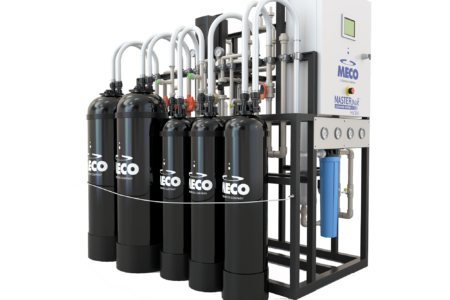
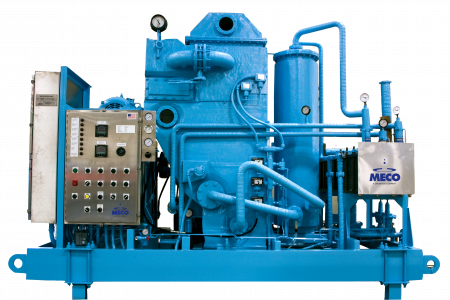
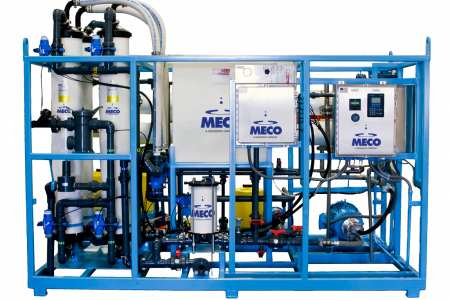
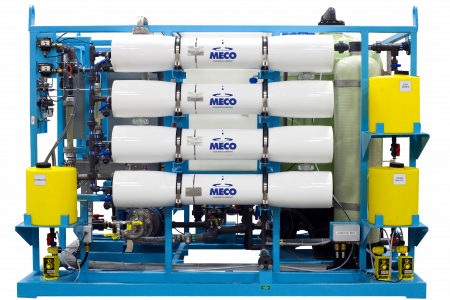
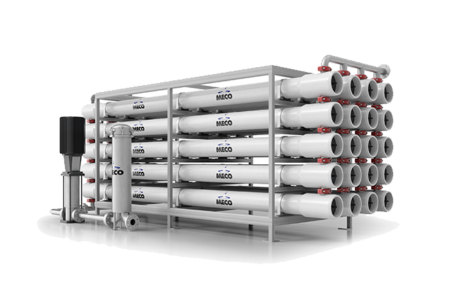
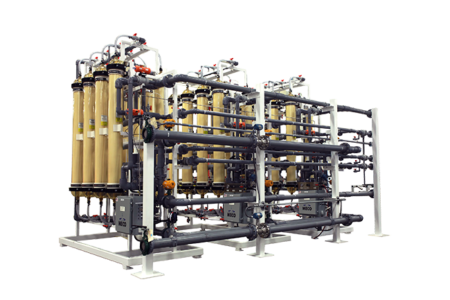
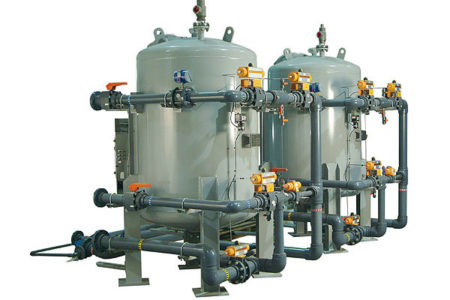
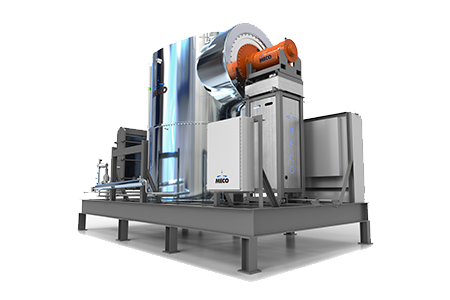
Vea nuestros sistemas de purificación de agua
La realidad de la escasez de agua
Aproximadamente el 71 % de la superficie terrestre está cubierta de agua, y con una cifra como esa, es fácil malinterpretar la realidad de la escasez de agua. Pero la verdad es que solo el 0,6 % del agua dulce del mundo es apta para el consumo. Así que, aunque nuestros continentes estén rodeados de agua, las prácticas sostenibles y la conservación del agua nunca han sido tan importantes para combatir la amenaza real de la escasez de agua.
Escasez de agua y salud
La falta de acceso al agua potable aumenta el riesgo de problemas de salud para las personas.Cada año, aproximadamente 1 millón de personas mueren por diarrea causada por el agua potable, el saneamiento y la higiene inadecuados.Lafalta de agua potable limpia provoca másmuertesinfantilesque el sida, la malaria y el sarampión juntos,yes laprincipal causa de mortalidad materna enlos países en desarrollo. El aumento del acceso al agua limpia conduce a una reducción de las tasas de mortalidad infantil ya una mejorade la salud.
Además de la mala salud, los lugares que sufren escasez de agua a menudo carecen de acceso al agua que necesitan para mantener un saneamiento y una higiene adecuados, lo que provoca un aumento de los problemas de salud.Más de 1.500 millones de personas en todo el mundo carecen de accesoa un cuarto de baño adecuado.
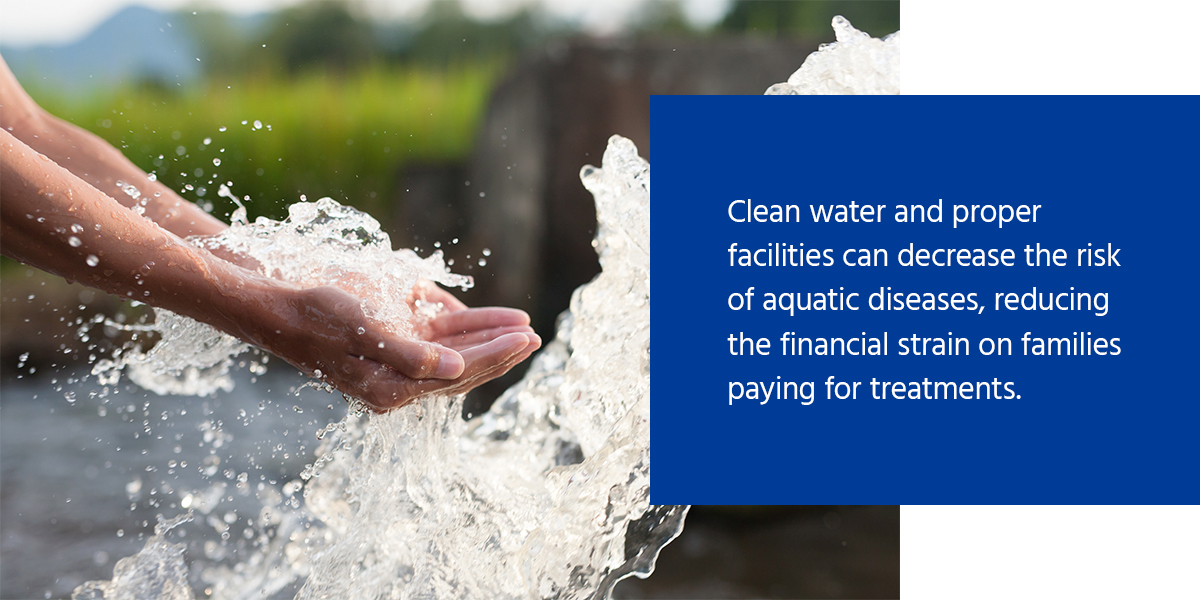
El agua limpia y unas instalaciones adecuadas pueden disminuir el riesgo de enfermedades acuáticas, reduciendo la carga económica de las familias que pagan los tratamientos. Además, unos 400 millones de niños faltan a la escuela cada año debido a enfermedades relacionadas con el agua. Cuando los niños pueden mantenerse sanos, pueden dedicar más tiempo a su educación.
Disponibilidad frente a usabilidad
Desafortunadamente, la abundancia de lluvias o la abundancia de agua dulce natural no significa que una zona no pueda sufrir escasez de agua. La forma en que se conserva y se utiliza el agua en la comunidad, junto con la calidad del agua disponible, son factores que influyen en que haya suficiente agua para satisfacer las necesidades de los hogares, las explotaciones agrícolas, la industria yel medio ambiente. Sin métodos adecuados de recogida de agua de lluvia, que incluyan análisis y tratamiento, incluso las zonas con abundantes precipitaciones pueden sufrir períodos de escasez de agua.
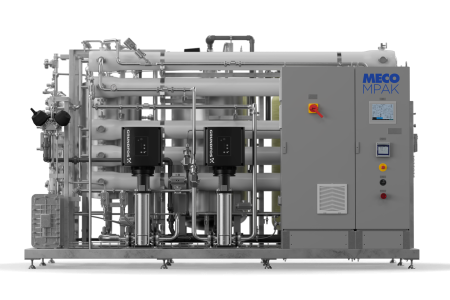
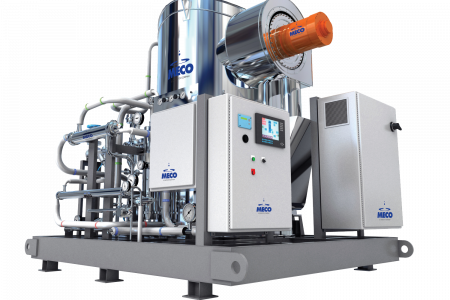
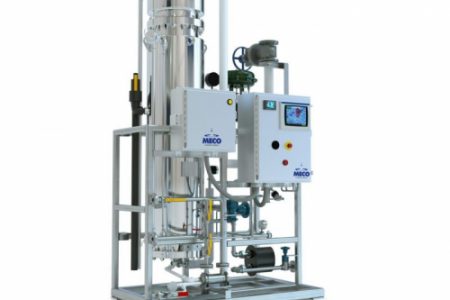
El agua de lluvia y el agua subterránea dulce no son necesariamente aptas para el consumo sin tratamiento, lo que dificulta el acceso a estos recursos aparentemente disponibles. MECO trabaja para desarrollarsistemas de purificación de aguaeficaces y sostenibles, de modo que las personas puedan analizar y tratar el agua más allá del simple consumo. Con las pruebas y los tratamientos adecuados, las personas que viven en zonas con escasezde agua dulcepuedenreducir el riesgo de consumir o utilizar agua contaminada.
Necesidad frente a seguridad
A medida que la población, la urbanizaciónyel consumo de aguasiguenaumentando, la demanda de agua continúa creciendo yel suministro no puede satisfacerla. De hecho, la escasez de aguaafectaactualmentea una de cadadiez personasen todoslos continentes. Estosignifica que, en todo el mundo, casi 785 millones de personas tienen un acceso limitado al agua potable.
Las mujeres jóvenes y las niñaspasan 250 millones de horas al día en recolectaragua potable adecuada, lo que a menudo les deja sin tiempo para continuar su educación, ya que no existe la infraestructura necesaria para recolectar y tratar el agua de los acuíferos. En esas situaciones, no pueden bañarse ni limpiarse adecuadamente, ya que deben utilizar agua que no ha sido purificada. Si intentan almacenar agua en sus hogares, corren el riesgo de crear un entorno de contaminación y cría de mosquitos, lo que conduce a la propagación de enfermedades.
Proactividad frente a inmediatez
Para quienes no se enfrentan habitualmente a la escasez de agua, resulta casi difícil creer queesterecurso pueda agotarse alguna vez. Al fin y al cabo, ¡la Tierra está cubierta de agua! Pero la realidad es que, si 26 galones representaran toda el agua del mundo, el agua dulce disponible para su uso equivaldría a aproximadamente media cucharadita.
¿Cuáles son las razones de la escasez de agua?
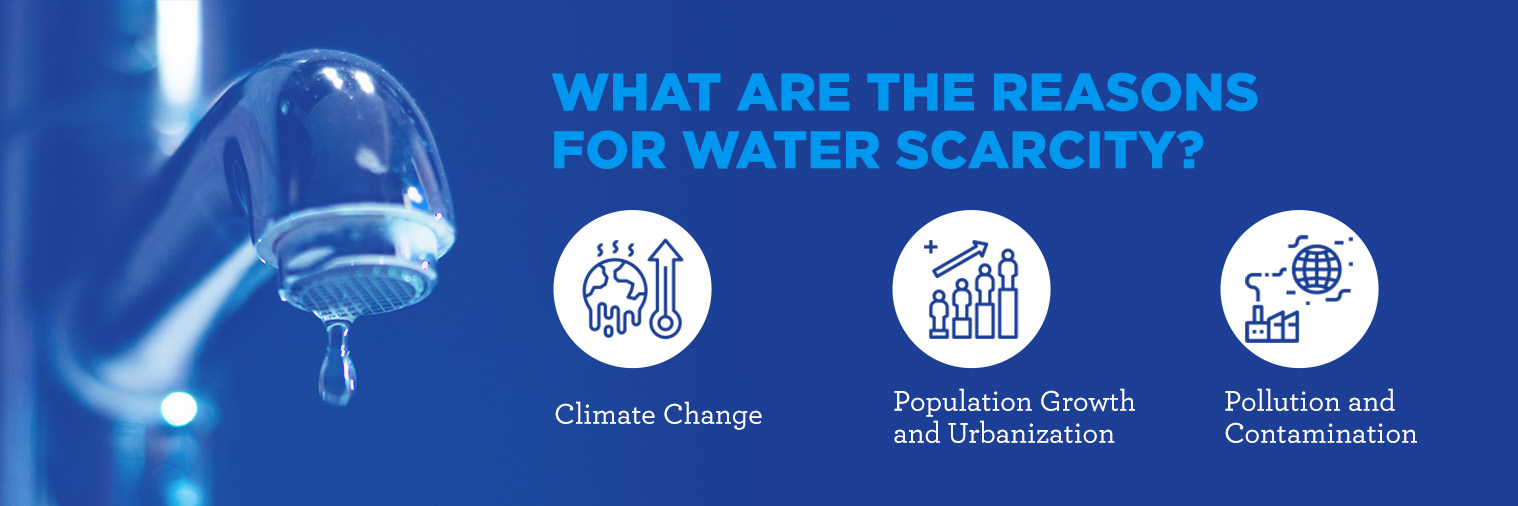
La escasez de agua es un problema complejo y multifacético impulsado por factores naturales y humanos. Comprender estas causas es esencial para desarrollar soluciones eficaces.
Cambio climático
El cambio climático es uno de los principales factores que contribuyen a la escasez de agua. Altera los patrones de lluvia y aumenta las temperaturas en todo el mundo, provocando sequías más frecuentes y severas en algunas zonas e inundaciones en otras.
El deshielo de los glaciares es otro problema. Estos almacenan agua dulce y la liberan lentamente en ríos y arroyos. El aumento de las temperaturas y la reducción de los glaciares afectan a los recursos hídricos de las zonas que dependen del deshielo glacial para obtener agua dulce.
Crecimiento demográfico y urbanización
La población mundial ha superado los 8000 millones de personas, lo que ha incrementado la demanda de agua dulce. Más personas significa más ciudades, y la rápida urbanización ejerce presión sobre la infraestructura hídrica existente, especialmente en las regiones en desarrollo. Los sistemas envejecidos o mal mantenidos también provocan una pérdida significativa de agua a través de fugas y contaminación. Como resultado, la escasez de agua aumenta, mientras que la infraestructura no logra satisfacer la demanda.
Contaminación y contaminación
Los residuos industriales, los residuos agrícolas y las aguas residuales sin tratar contaminan las fuentes de agua dulce. Las instalaciones vierten agua sin tratar en lagos y ríos, lo que hace que el agua sea insegura o inutilizable. Más del 80 % de las aguas residuales del mundo se vierten al medio ambiente sin un tratamiento adecuado. Como resultado, nuestros ya limitados recursos de agua dulce también se contaminan, lo que conduce a una mayor escasez de agua.
Las consecuencias de la escasez de agua
La escasez de agua tiene repercusiones de gran alcance en las personas, las comunidades, las economías y el medio ambiente. Las consecuencias son especialmente graves para las poblaciones vulnerables, pero en última instancia afectan a todo el mundo. A continuación se explica cómo afecta la escasez de agua a las personas.
Problemas de salud
La falta de agua limpia y segura puede provocar la propagación de enfermedades transmitidas por el agua, como el cólera y la diarrea. La Organización Mundial de la Salud afirma que un mejor acceso al agua potable, al saneamiento y a la higiene puede salvar la vida de 1,4 millones de personas cada año. Los niños son especialmente vulnerables a la escasez de agua. El agua no potable y el saneamiento deficiente son las principales causas de mortalidad infantil y retraso en el crecimiento.
Aumento de los conflictos
Los ríos o acuíferos transfronterizos son compartidos entre países y regiones. El aumento de la competencia por el agua puede actuar como catalizador de conflictos locales y regionales sobre su uso y control.
Inseguridad alimentaria
La disponibilidad de agua y la producción de alimentos están directamente relacionadas. La agricultura representa alrededor del 70 % de las extracciones de agua dulce en todo el mundo. Cuando el agua escasea, disminuyen los rendimientos de los cultivos y la productividad ganadera, lo que provoca escasez de alimentos.
El futuro de la escasez de agua
La conservación no debe considerarse solo como un movimiento proactivo para el futuro, sinocomo una parte necesaria de la vida actual. Consideremosla perspectiva de la escasez de agua en unfuturono muy lejano:
- Más de 140 millones de personaspodrían convertirse pronto en «migrantes climáticos» debido a las inundaciones, las sequías yla escasez de agua.
- La disponibilidad de agua dulce está disminuyendo. De hecho, el 70 % de la población vive en 101 países que han perdido agua dulce desde 2002.
- Para 2030, la grave escasez de agua podría provocar el desplazamiento de 700 millones de personas.
- En 2040, uno de cada cuatro niños vivirá en zonas con grave escasez de agua.
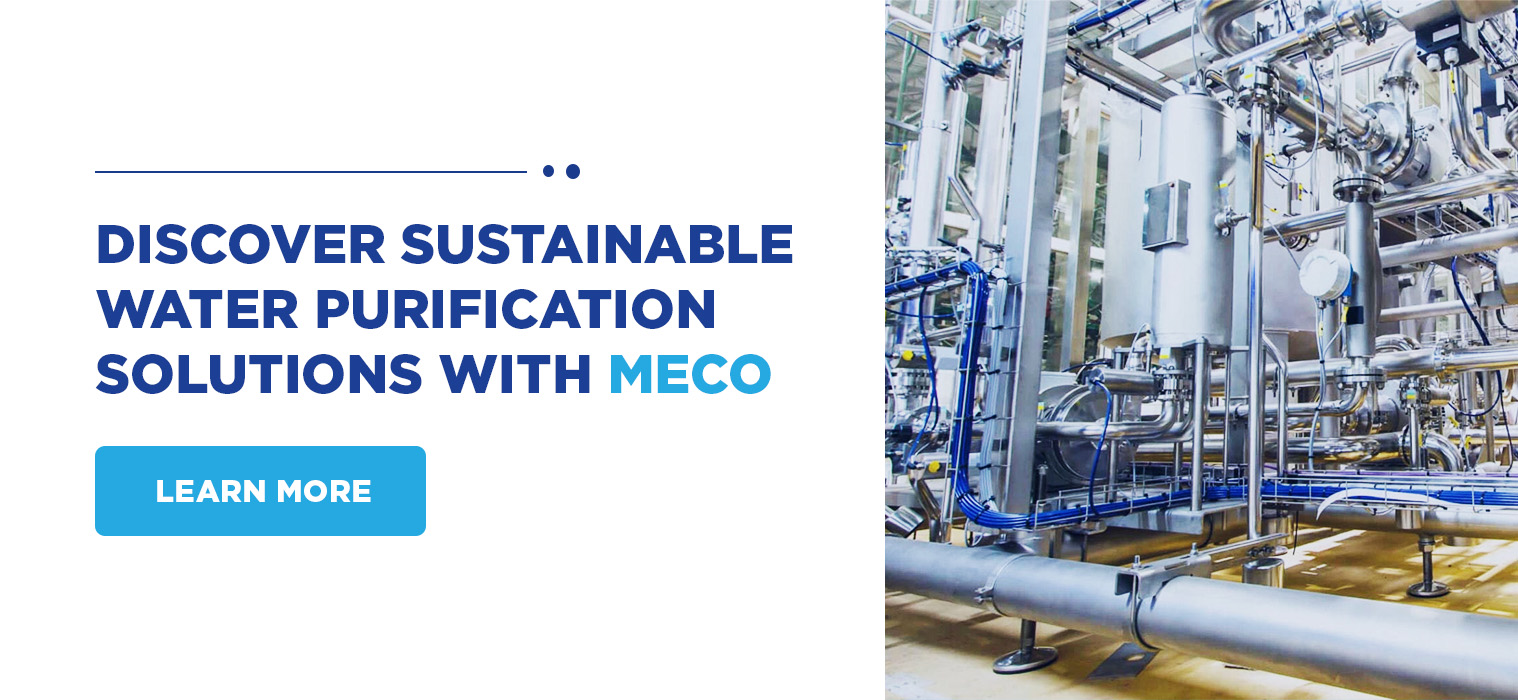
Descubra soluciones sostenibles de purificación de agua con MECO
Las prácticas sostenibles en materia de agua pueden llevarse a cabo a nivel individual, pero también deben ser prioritarias en el ámbito industrial. MECOlleva 90años dedicándose al 100 % a proporcionartecnologías sostenibles de purificación de agua. Para nosotros,es más que un compromiso: esuna mentalidad y todo lo que hacemos. Nuestrastecnologías innovadorashacen queel aguaseaaccesible ahora y en los años venideros.