






The Benefits of Membrane-Based Systems for Water for Injection (WFI)

Water for Injection (WFI) is one of the most critical utilities in pharmaceutical manufacturing, supporting applications where purity, consistency, and reliability are essential to product quality and patient safety. As production environments evolve, manufacturers are evaluating system designs that align with both operational needs and long-term performance expectations.
Membrane-based WFI systems have become an established approach within the industry, offering a flexible and integrated way to meet global regulatory requirements when properly engineered and controlled. Rather than replacing traditional methods, these systems represent another proven pathway for delivering compliant WFI—one that can be particularly well-suited to certain facility designs and operating strategies.
Learn more about membrane-based WFI generation systems in this guide by MECO.
A Modern Approach to WFI Production
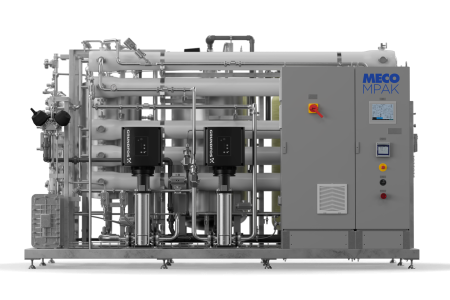
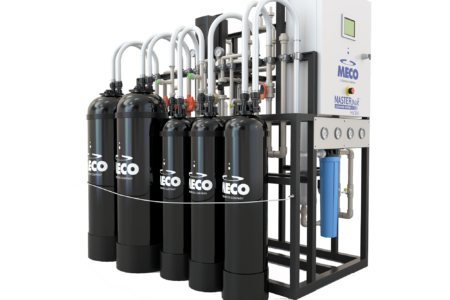
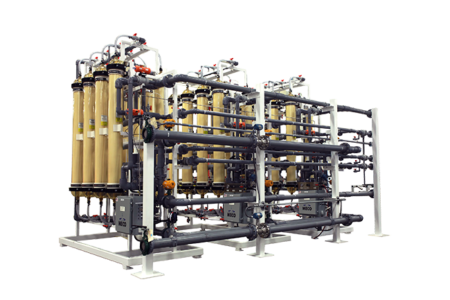
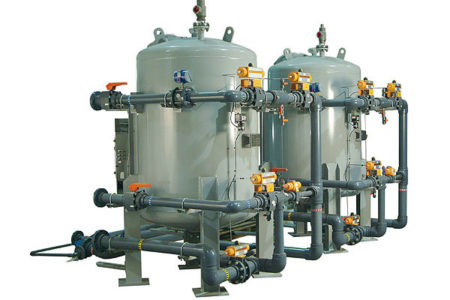
Membrane-based WFI solutions are built around a multi-barrier purification approach. Feedwater is first stabilized through pretreatment, protecting downstream processes and ensuring consistent system performance. It then passes through staged purification steps designed to remove dissolved solids, organics, and microorganisms, followed by final polishing to meet WFI specifications.
Just as important as purification is what happens after. Storage and distribution systems are engineered to maintain water quality through continuous circulation and validated sanitization strategies, ensuring that WFI remains within specification from generation to point of use.
Flexibility in System Design and Operation
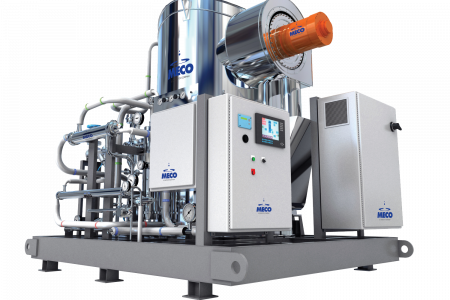
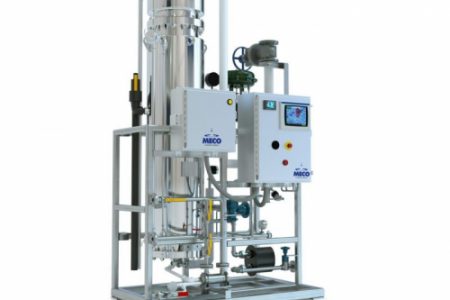
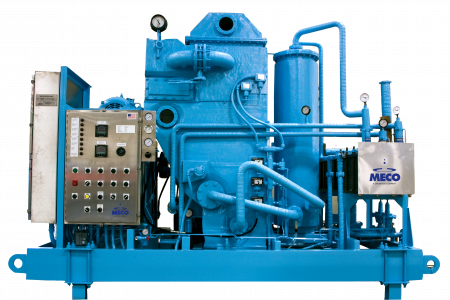
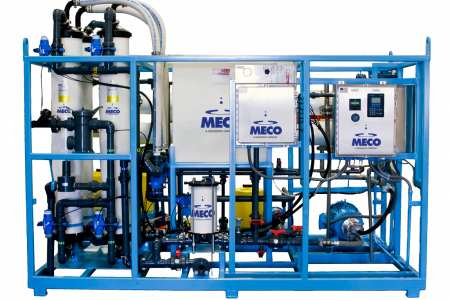
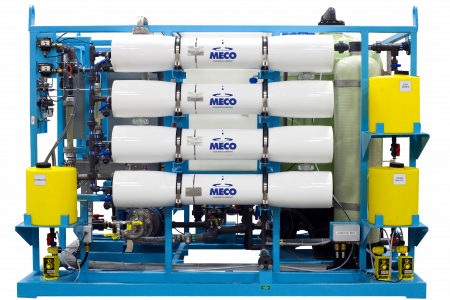
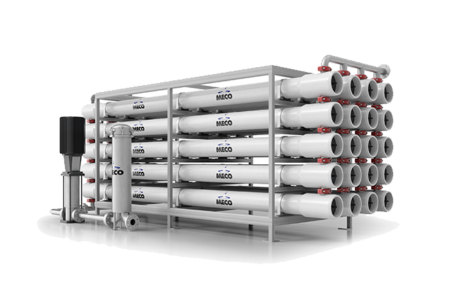
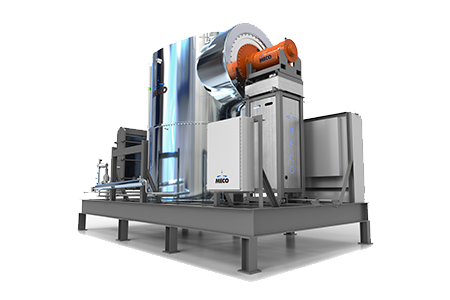
One of the key advantages of membrane-based WFI systems is their flexibility. These systems can be configured to align with a wide range of facility layouts, production scales, and operational approaches. Their modular, skid-based designs can support more compact footprints and allow for streamlined installation and integration within existing infrastructure.
Operationally, membrane-based systems can offer responsive startup and shutdown capabilities, making them well-suited for facilities with variable production demands or phased expansions. This flexibility can be valuable in environments where production schedules and capacity requirements are evolving.
Alignment with Utility and Infrastructure Considerations
Membrane-based WFI systems can be designed to integrate efficiently with available plant utilities. Depending on facility configuration, this may support optimized use of electrical power, reduced reliance on centralized thermal systems, and opportunities to align with broader energy strategies.
These considerations are increasingly important as manufacturers evaluate how critical utilities fit within overall plant design, particularly in facilities focused on efficiency, sustainability, or decentralized production models.
Supporting Operational Efficiency
From an operational perspective, membrane-based systems are engineered to deliver consistent performance with streamlined control strategies. Automated operation, integrated monitoring, and advanced control platforms support stable system performance while reducing operator intervention.
Maintenance strategies are also designed with accessibility in mind, supporting routine serviceability and minimizing disruption to production. When combined with appropriate service support, these systems can contribute to predictable, long-term operation.
Enabling Ambient WFI Strategies
Membrane-based systems are commonly applied in facilities designed around ambient WFI production, storage, and distribution strategies. In these applications, system design is focused on maintaining microbial control through validated sanitization methods and continuous circulation, rather than relying on elevated storage temperatures.
This approach can offer additional flexibility in how WFI systems are integrated into facility layouts and utility strategies, depending on the needs of the operation.
Global Regulatory Alignment
Membrane-based WFI systems are designed to meet the requirements of global pharmacopeias, including the United States Pharmacopoeia, European Pharmacopoeia, Japanese Pharmacopoeia, and the Chinese Pharmacopoeia. While expectations across these frameworks are aligned around high purity and strict control of microbial and endotoxin levels, regional differences may influence system selection and implementation.
As with any WFI system, compliance is achieved through proper design, validation, and control—not by the choice of a single technology.
Part of a Broader WFI Strategy
Membrane-based WFI systems are one of several proven approaches available to pharmaceutical manufacturers. The right solution depends on a range of factors, including facility design, utility availability, production demand, and long-term operational goals.
By taking a system-level approach and aligning technology with real-world requirements, manufacturers can implement WFI solutions that deliver consistent performance, support compliance, and scale with evolving needs.
Where It Delivers Value
The value of any WFI system is ultimately measured by its ability to deliver reliable, compliant water over time. Membrane-based systems provide a flexible and effective option within that broader landscape—supporting modern facility design, operational efficiency, and evolving production strategies.
Evaluating WFI Systems Beyond Expectations
Explore how membrane-based WFI systems are evaluated—and what to consider for your facility. Contact our team today.
Author Bio
Natolie Grabert is a marketing leader in the biopharmaceutical and industrial water industries. At MECO, a Grundfos company, she leads strategic initiatives that position high-purity water systems as critical utilities for pharmaceutical manufacturing and other highly regulated environments.
With nearly 12 years of experience, her work focuses on translating complex water purification technologies into market strategies that support performance, compliance, and long-term operational success.